
Borer treatment for Nelson’s older timber homes
Small round holes and fine dust under the house mean borer has been eating the timber for years. Richard gets under the floor and into the roof space, finds where they’re still working, and treats the timber there. The inspection and quote are free.
Richard under a house when the phone goes? Someone still picks up, and he calls you back.
Roof to subfloor
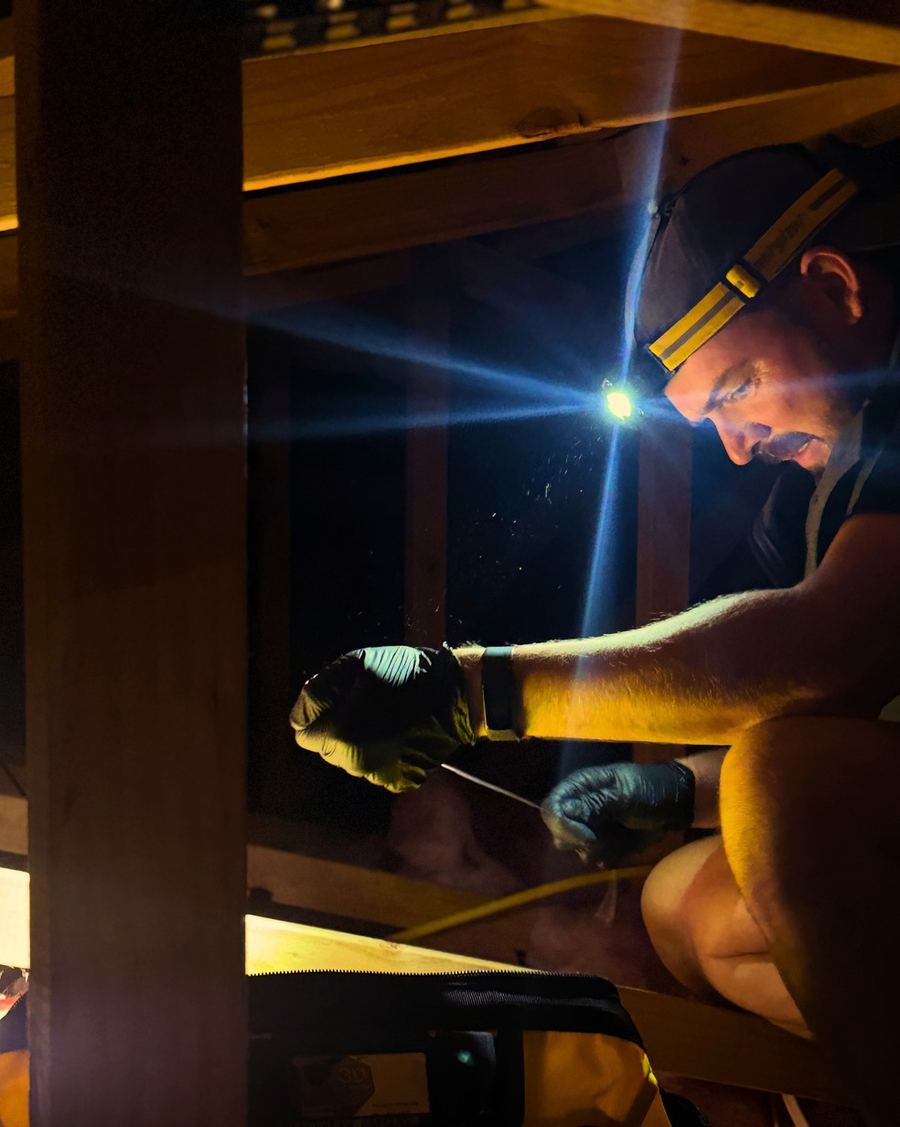
Under the floor: Richard goes over the piles, bearers and joists by torch for fresh borer holes and dust, and looks for droppings and nests where rats shelter.
What to send Richard
- A photo of the holes, with a coin or ruler beside them for size
- Where they are: floorboards, joists, roof timbers, furniture
- Whether there’s fine dust under the holes
- The rough age of the house
- Where the subfloor and ceiling hatches are
- Work
- Borer, rats and mice, wasps, household pests
- Area
- Nelson, Stoke and Richmond
- Experience
- 15+ years in pest control
- Quotes
- Free inspection and quote
- Phone, or fill in the formPictures of what you’ve spotted help.
- Richard rings youHe asks what you’ve seen, and where.
- Free inspection and quoteRoof space, subfloor and section, then a price.
- Treated where they’re workingThen he checks back that it’s done the job.
Before you ring
What will a borer treatment cost?
It comes down to how much of the house has live borer, how high the subfloor is and how much roof space needs treating. The inspection and quote are free.
Is it safe to leave it?
Every summer the beetles that come out lay their eggs back into cracks and old holes in the same timber, and each new larva feeds for years. The sooner the timber is checked, the less there is to treat.
What does the visit involve?
Richard crawls the subfloor by torch, then checks the rafters and ceiling joists, looking for fresh holes and dust. He shows you what he found before he quotes.
Who you deal with

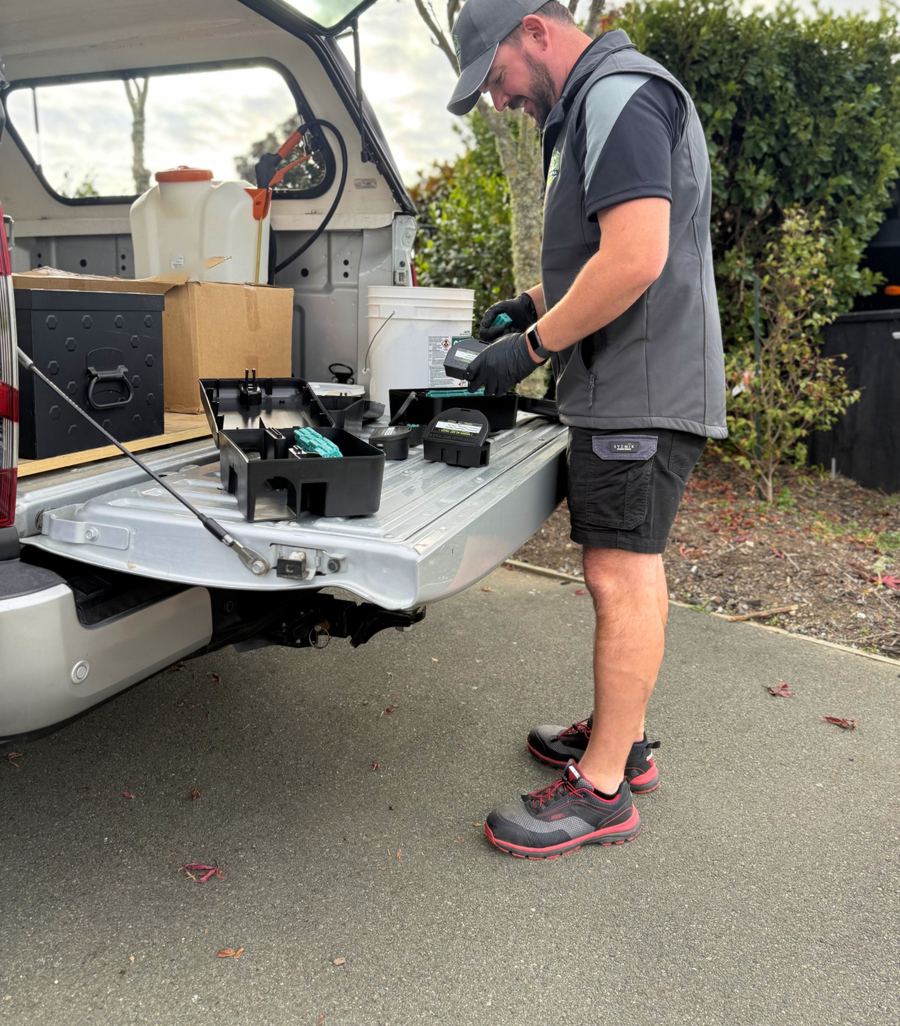
Richard3D Pest Control, based in Richmond
Richard has more than 15 years in pest control. He’s the one who comes out, gets into the roof space and under the floor, and quotes the job, and Richard and the team look after homes, rentals and businesses across Nelson, Stoke and Richmond.
He finds where they’re working, treats them there, and shows you how they got in. After the treatment he checks in to make sure it has worked. 3D Pest Control Limited is registered as a New Zealand company.
- 15+ yearsin pest control
- Based inRichmond
- Freeinspection and quote
- Homes andbusinesses
“…His many years of experience certainly shone through… His attention to detail, punctuality and meticulous approach was exemplary.”
“…Richard was knowledgeable, professional and took the time to explain everything clearly…”
Signs of borer in a Nelson house
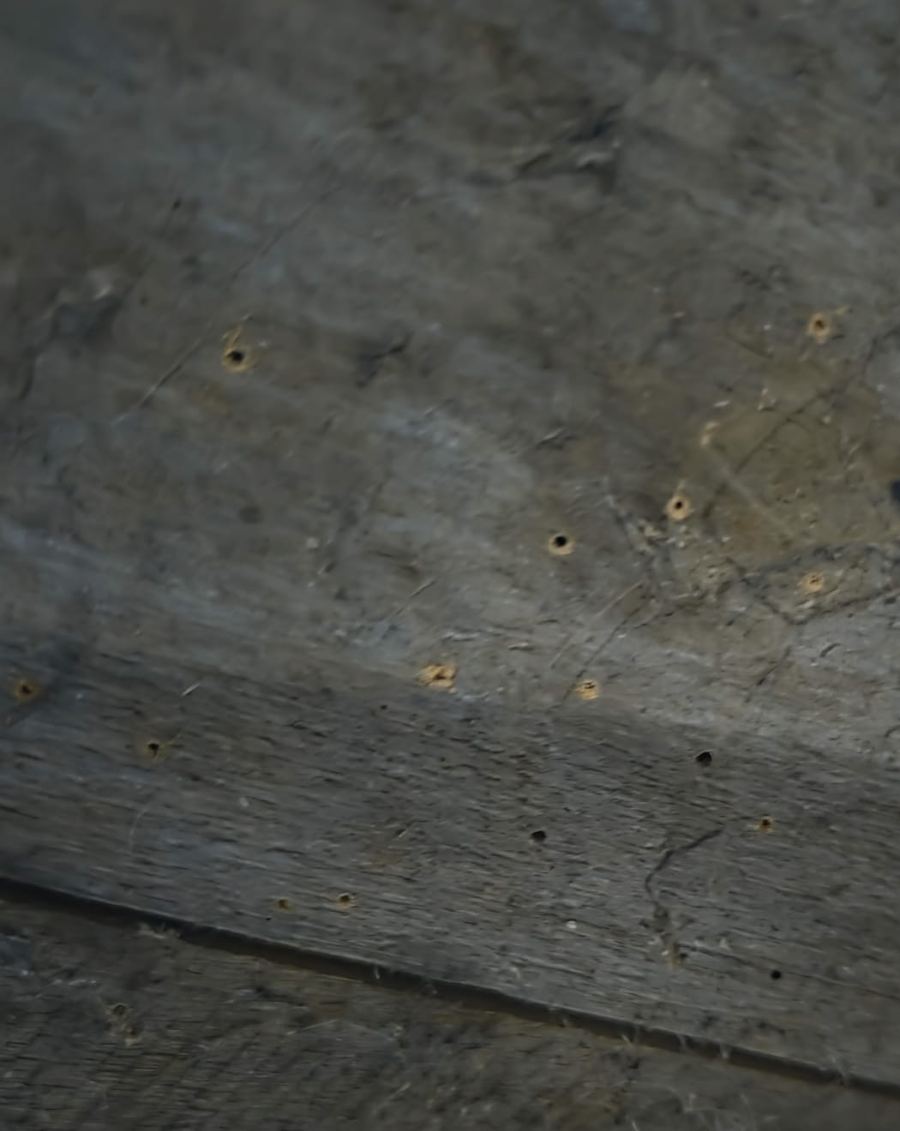
- Round holes 1 to 2 mm across in floorboards, joists, bearers, skirtings or furniture
- Little piles of fine powder under the holes, pushed out by the beetles
- Fresh, pale dust means they’re still working; dark, empty holes are old
- Holes that show first in dark places: under the floor, in the roof space, inside wardrobes
- Small brown beetles at the windows in summer
- Timber that crumbles at the surface when you press it
The common house borer lays its eggs in cracks, end grain and old exit holes. The larvae spend two to four years tunnelling through the wood before the adults chew their way out, mostly between October and February. By the time you see holes, the timber has been feeding them for years.
Why Nelson’s older homes get borer
Boron treatment for framing timber began in New Zealand in 1952. Before that, native timber and the first radiata pine went into houses untreated, and the soft sapwood in it is exactly what borer eat.
Nelson has a lot of timber from before that date. Elliott Street in The Wood was surveyed in 1912 for workers’ housing, and its first Edwardian villas went up between 1913 and 1916. Seymour Avenue in The Brook has transitional villas and bungalows from about 1920. The Dear Cottages on Rutherford Street date from 1887, and Fountain Place, at the port end of Washington Valley, keeps cottages from 1870 and 1900. More of Nelson South’s houses date from the 1940s than any other decade, and the 1950s left the biggest mark on Toi Toi and the Maitai.
Newer isn’t always safe, either. Untreated kiln-dried framing was allowed in new houses from September 1995 until treated timber was required again in 2004, so a house from those years is worth a look too.
Older timber suburbs: The Wood, Nelson South, Toi Toi, The Brook, Maitai, Britannia Heights, Washington Valley.
What Richard checks, under the floor and in the roof
Borer come out more in the dark than on lit surfaces, so the subfloor and the roof space tell Richard far more than the living room does. He crawls under the house with a torch and goes over the piles, bearers, joists and the underside of the floorboards, then climbs up through the ceiling hatch to the rafters and ceiling joists.
He’s reading the holes as he goes. The common and native house borer both leave small round holes in sapwood; the bigger two-toothed longhorn works into the heartwood and leaves oval ones. Fresh holes with pale dust mean live borer; dark holes with nothing under them are history. He also checks the subfloor for damp, because borer prefer timber with some moisture in it, and a dry, ventilated subfloor helps keep them away.
How the treatment works
Richard treats the timber where the larvae are working: the subfloor framing and floorboards, and the roof timbers he can reach. Before he starts, he walks you through what he found, which parts of the house need treating and why, so you know exactly what you’re paying for.
With more than 15 years in pest control, he tells you straight when old holes are just old holes, and when the borer is still at work. After the treatment, he checks in with you.
Before Richard comes
- Clear the way to the subfloor hatch and the ceiling hatch
- Move stored boxes away from the hatch in the garage or wardrobe
- Note where the holes or dust are, and the month you spotted them
- Tell Richard about pets and anyone at home, so he can plan around them
Richard was professional, friendly and his work was neat, detailed and efficient. I would highly recommend his company and will certainly be using his services again when the need arises.
From your call to the check-in
Tell Richard what you’ve found
Call, or send the form with a photo of the holes, droppings or nest and where you saw it.
A free inspection
Richard comes out and goes through the ceiling cavity, the subfloor and the section, to find where they’re working and how they get in.
A clear quote
He shows you what he found and quotes the treatment before any work starts.
Treated in the timber
Richard treats the joists, bearers, floorboards and roof timbers where the larvae are working.
He checks in afterwards
Once the treatment has had time to work, Richard gets back in touch to see that it has.
Thank you Richard for the exceptional service! You were very knowledgeable and kind!

What sets the price
- How much of the house has active borer
- The floor area and the height of the subfloor crawl space
- How much of the roof space needs treating
- Access through the hatches
- Outbuildings and sleepouts with timber floors
Questions
Another question? Call 0800 166 028 or ask it on the form below.
Can I treat borer myself?
A shop product covers the timber you can reach. Borer live inside the wood, mostly under the floor and in the roof space, and the larvae are there for years before any hole shows. Richard gets into those spaces, finds where they’re still working and treats that timber.
We have old holes but no dust. Do we still need a treatment?
Old holes show borer has been there; they don’t show whether it has finished. Richard looks for fresh holes and dust across the subfloor and roof timbers, and tells you plainly whether there’s anything to treat.
When do borer come out?
The adult beetles chew their way out mostly between October and February. A beetle that has come out eats no more timber; it lives three to four weeks and lays its eggs on bare timber or in old flight holes. That’s when fresh holes and new dust appear, but Richard can inspect at any time of year.
Can a 1990s or 2000s house get borer?
Yes. Untreated kiln-dried framing was allowed from late 1995 until 2004, so a house from those years isn’t automatically protected. Richard checks the framing above the ceiling and below the floor.
Which parts of Nelson have the oldest timber?
The inner streets: The Wood and its Elliott Street villas, Nelson South, the Brook around Seymour Avenue, Toi Toi, the Maitai, and the old streets toward the port in Washington Valley and Britannia Heights. Stoke and Tāhunanui have older homes among the newer ones too.
Is the borer inspection free?
Yes. Richard inspects the subfloor and roof space and quotes any treatment, free.
Get a free quote for your borer
Tell Richard what you’ve found and where. A photo of the holes, droppings or nest helps him see it before he comes out.
What to send Richard
- A photo of the holes, with a coin or ruler beside them for size
- Where they are: floorboards, joists, roof timbers, furniture
- Whether there’s fine dust under the holes
- The rough age of the house
- Where the subfloor and ceiling hatches are
Richard will be in touch to talk it through, then come out, inspect and quote. If you go ahead, he treats them and checks in afterwards.
Rather talk? Call 0800 166 028
Thanks, we’ve got your details.
Richard will be in touch to talk it through and set a time for the free inspection.